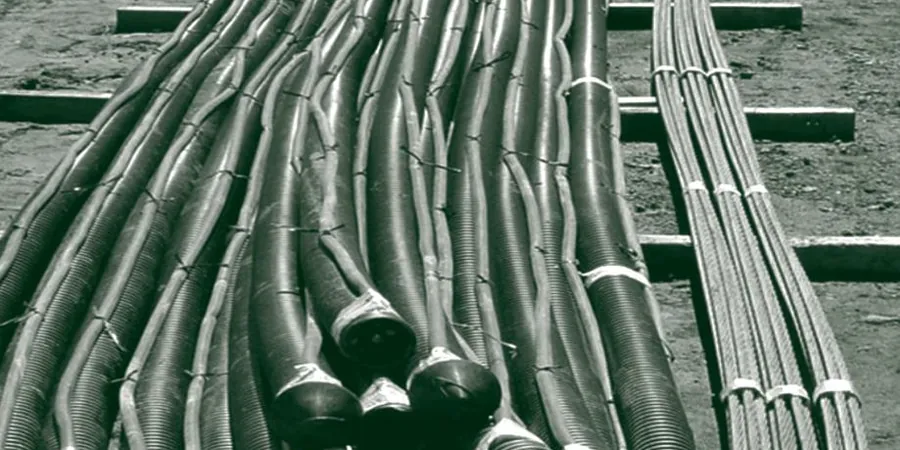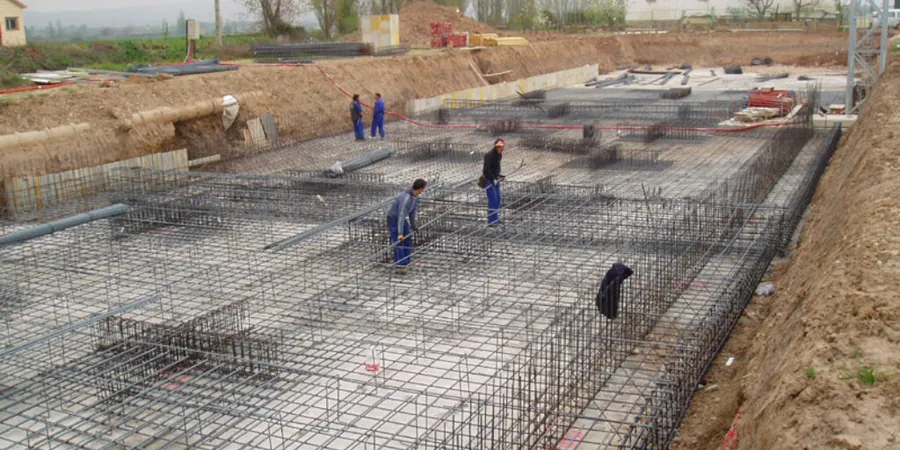
In Eugene, Oregon, foundation engineering must account for the Willamette Valley's alluvial soils, high groundwater, and seismic demands governed by the Oregon Structural Specialty Code (OSSC). This category covers site investigation, bearing capacity analysis, and structural foundation design tailored to local silts and clays prone to settlement. For deep support in weak near-surface strata, our pile foundation design integrates load transfer to competent bearing layers, while shallow systems address frost depth and expansive soil mitigation per IBC and local amendments.
Residential, commercial, and hillside projects routinely require specialized foundations here due to liquefaction potential and sloping terrain. We support new builds and retrofits with advanced geotechnical modeling, including driven pile and micropile solutions for constrained urban infill sites. Retaining wall foundations and mat slabs further extend stability on marginal ground, ensuring code compliance and long-term performance across Eugene's variable subsurface conditions.
Eugene's location in the southern Willamette Valley means anchor systems contend with a unique subsurface profile—thick sequences of Willamette Silt overlying older alluvial gravels, with groundwater often within 10 feet of the surface during the rainy season. This saturated, low-permeability soil demands a careful balance between active prestressing and passive load development. A standard tieback that performs flawlessly in the basalt bedrock of the Columbia Gorge can creep or lose bond in the valley's clay-rich deposits. Our design approach for slope-stability projects integrates site-specific shear strength parameters from consolidated-undrained triaxial testing, because assuming drained behavior in these silts can overestimate passive resistance by 30% or more.
In Willamette Silt, active anchor lock-off loads must account for a potential relaxation loss of 3–5% over the first 30 days due to soil creep.