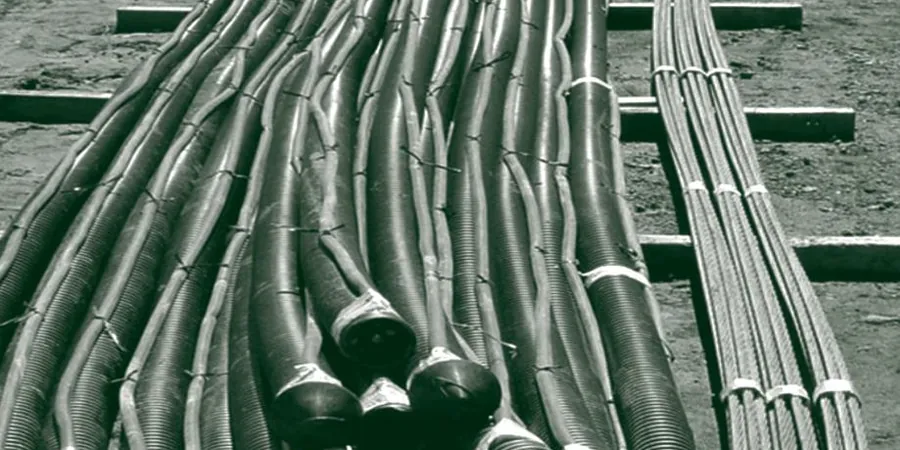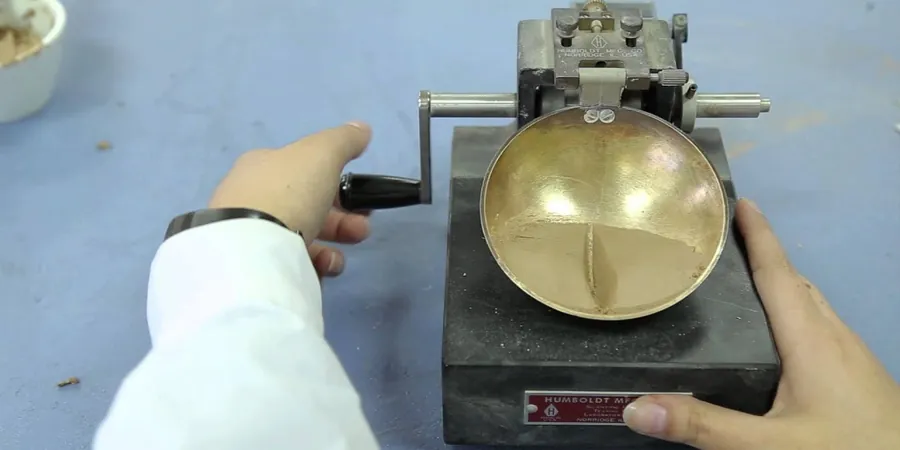
Eugene's location in the southern Willamette Valley means anchor systems contend with a unique subsurface profile—thick sequences of Willamette Silt overlying older alluvial gravels, with groundwater often within 10 feet of the surface during the rainy season. This saturated, low-permeability soil demands a careful balance between active prestressing and passive load development. A standard tieback that performs flawlessly in the basalt bedrock of the Columbia Gorge can creep or lose bond in the valley's clay-rich deposits. Our design approach for slope-stability projects integrates site-specific shear strength parameters from consolidated-undrained triaxial testing, because assuming drained behavior in these silts can overestimate passive resistance by 30% or more.
In Willamette Silt, active anchor lock-off loads must account for a potential relaxation loss of 3–5% over the first 30 days due to soil creep.