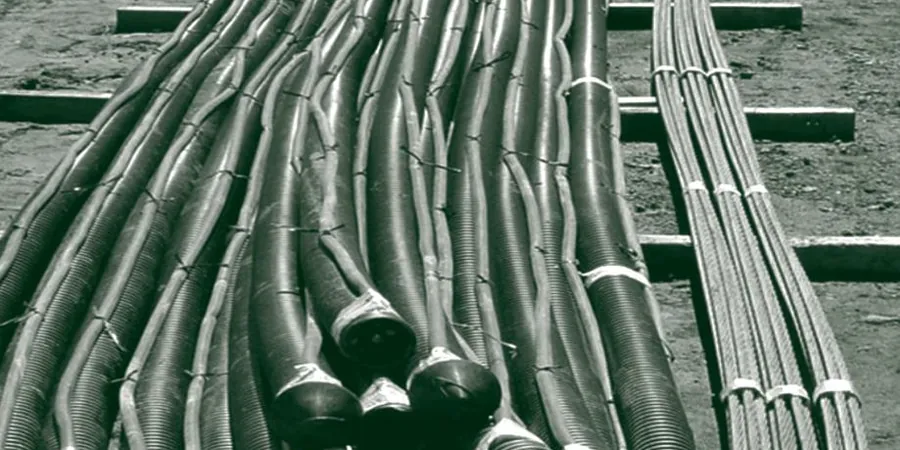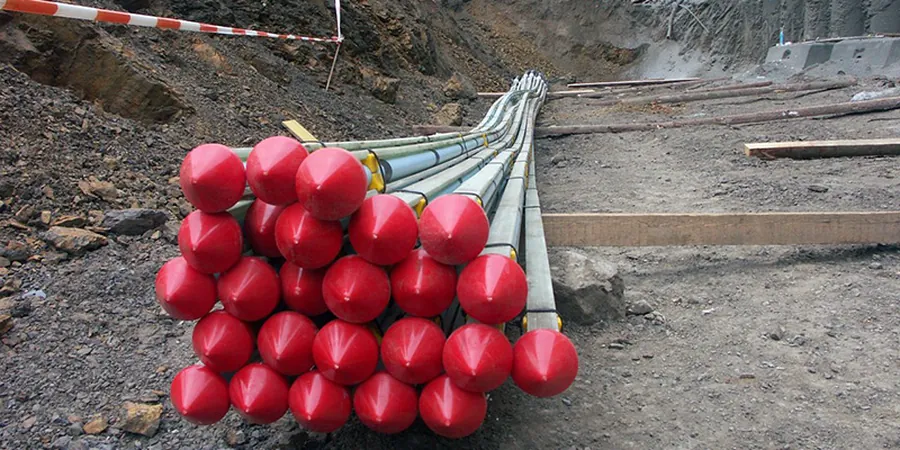
In Eugene, Oregon, the combination of wet winters, loess-mantled hillslopes, and occasional swelling clays derived from the Spencer Formation demands rigorous slope and wall engineering. Our geotechnical approach integrates site-specific geology with IBC 2021 and Oregon Structural Specialty Code requirements. We begin with slope stability analysis to quantify rotational and translational failure risks, then develop stabilization strategies that respect the Willamette Valley’s colluvial terrain. For deep excavations near the McKenzie River terraces, we routinely pair that assessment with active/passive anchor design to secure cut faces against seasonal groundwater fluctuation.
Typical projects include hillside residential foundations, roadway cuts through weathered sandstone, and commercial developments requiring permanent earth retention. Our retaining wall design covers cantilever, mechanically stabilized earth (MSE), and soil-nailed structures, always calibrated to local seismic demands and long-term drainage performance. Whether stabilizing a failing creekbank or supporting a stepped multi-level building pad, these integrated services ensure compliant, durable solutions across Lane County’s variable ground profiles.
Eugene's location in the southern Willamette Valley means anchor systems contend with a unique subsurface profile—thick sequences of Willamette Silt overlying older alluvial gravels, with groundwater often within 10 feet of the surface during the rainy season. This saturated, low-permeability soil demands a careful balance between active prestressing and passive load development. A standard tieback that performs flawlessly in the basalt bedrock of the Columbia Gorge can creep or lose bond in the valley's clay-rich deposits. Our design approach for slope-stability projects integrates site-specific shear strength parameters from consolidated-undrained triaxial testing, because assuming drained behavior in these silts can overestimate passive resistance by 30% or more.
In Willamette Silt, active anchor lock-off loads must account for a potential relaxation loss of 3–5% over the first 30 days due to soil creep.