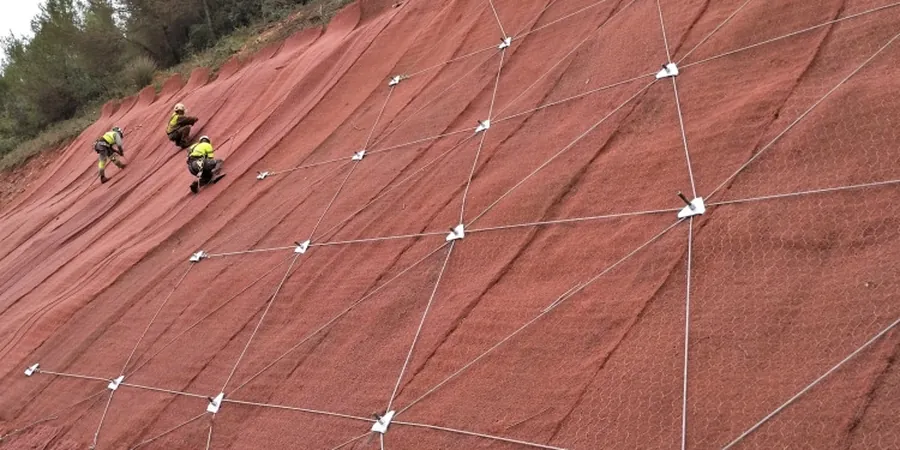
Drive from the flat grid streets of the Whitaker neighborhood up toward the winding lanes of the South Hills, and you'll feel the ground change within a mile. The valley floor near the Willamette River sits on soft alluvial silts that barely hold a 2:1 cut, while the hillside lots south of Spencer Butte sit on weathered sandstone and claystone that can stand steep—until winter rains saturate the upper few feet and everything wants to slump toward Amazon Creek. That contrast is why a proper slope stability analysis in Eugene rarely looks like a textbook exercise. The Willamette Valley's wet winters, combined with thin colluvial soils over weathered bedrock, create conditions where even a modest cut for a driveway can trigger a shallow translational slide. Our work across the metro area has taught us that the first step isn't running software—it's walking the slope after a February rain and seeing where the water's moving. Before committing to a hillside build, pairing the slope evaluation with test pits to map the colluvium-bedrock contact gives you a stratigraphic baseline that no desktop study can replicate.
A slope that drains well in July can fail in February—not because the soil changed, but because the pore pressure did.