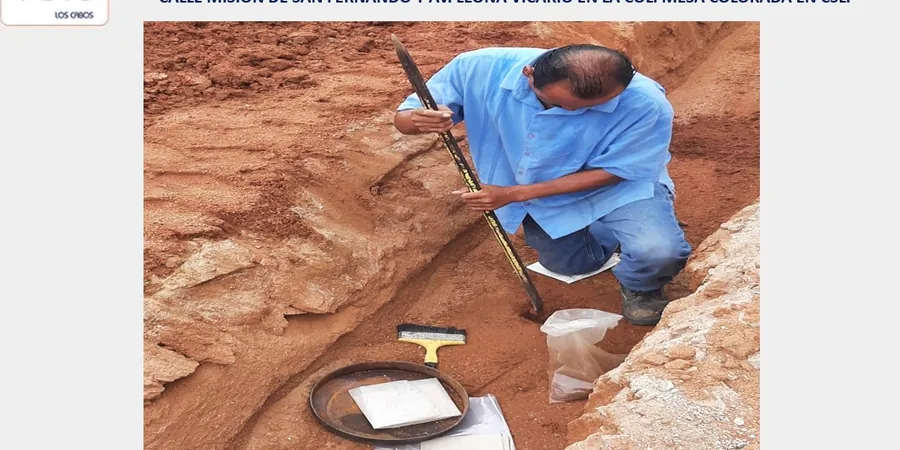
Drive from the flat, silty terrain of the Bethel area near Golden Gardens up into the South Hills, and the ground beneath your feet changes dramatically in under two miles. In the valley floor you might hit groundwater at four feet, while the hillside weathered claystone can be bone-dry to ten feet and then refuse a backhoe bucket. An exploratory test pit lets you see that transition with your own eyes—no interpretation of blow counts, just the actual soil profile exposed in a clean trench. For jobs in Eugene, where alluvial deposits from the Willamette River meet residual hillslope soils, that direct observation is often the difference between a foundation design that works and one that gets surprised during excavation. When the upper two feet of silt hide a buried organic layer, a test pit opened to six feet tells the story immediately, and we log it per ASTM D2488 so the structural engineer has something real to work with.
A six-foot trench in Eugene tells you more about your site in twenty minutes than a dozen split-spoon samples analyzed over two weeks.