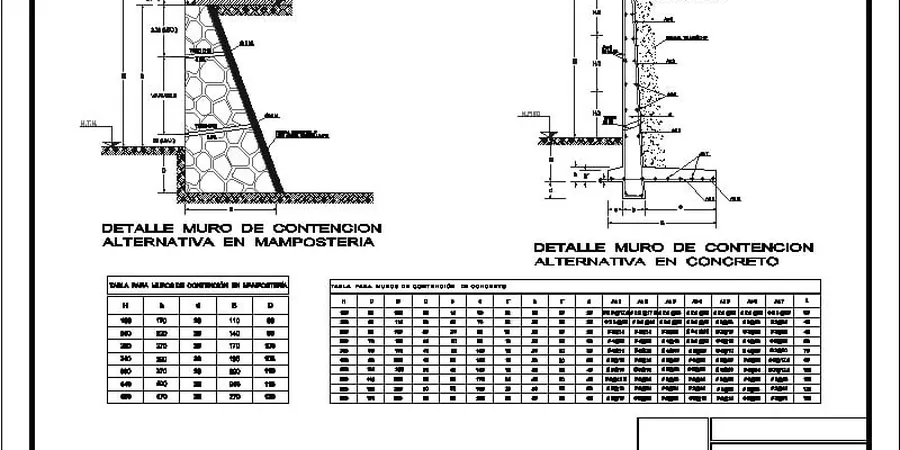
The survey crew sets up the total station near the edge of the cut while the drill rig finishes the last SPT boring behind them. In Eugene, retaining wall design starts with that direct interface between the subsurface data and the topographic survey. The Willamette River and its tributaries have carved terraces and incised valleys across the metropolitan area; the resulting slopes, often cut into weathered sandstone and claystone of the Eugene Formation, demand wall geometries that account for both seasonal groundwater and a seismic hazard that is real for a city 40 miles from the Cascadia Subduction Zone. We bring in a CPT rig when access permits, but on the tighter residential lots that dominate the south-hills neighborhoods, the SPT remains the workhorse. The goal is always the same: a wall section that works with the native soil, not against it.
In Eugene's Willamette Valley soils, the controlling load case for retaining wall design is often the combination of wet-season groundwater and a Cascadia earthquake, not the static earth pressure alone.